Review
The best gear to help improve your gardening skills
These tools and apps helped my indoor garden go from brown to green.
By Karen Jensen
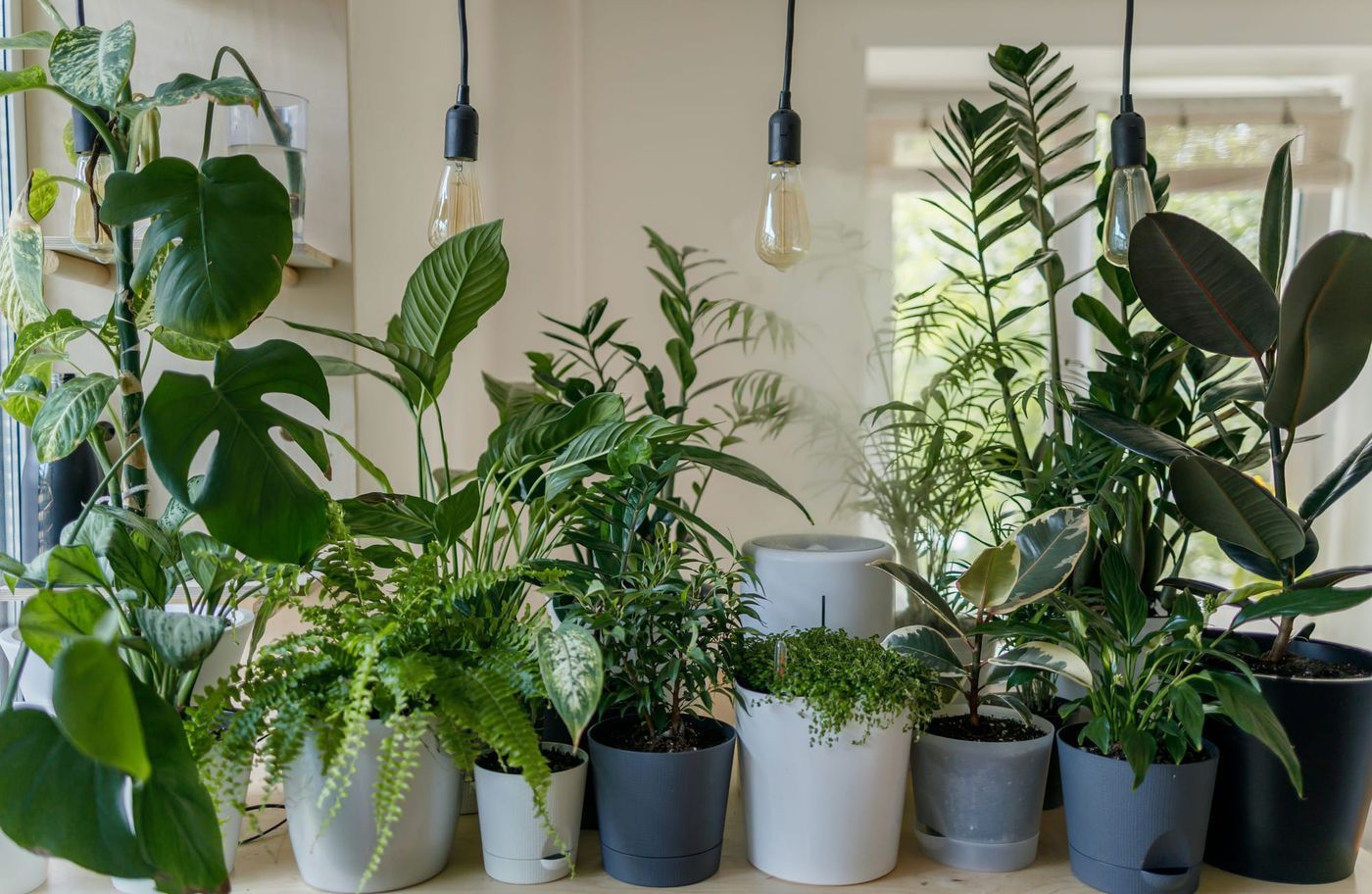
When I moved into a bigger apartment, I bought four large, impressive-looking houseplants to help decorate the space. I chose them mostly for their appearance, without knowing what they were or how to care for them. That wasn't much of a concern until some of the plants started looking less than happy, and I had no idea what I was doing wrong.
My goal wasn't to become an expert gardener or take on a new hobby. I just wanted quick answers about what my plants needed and some simple tools that could make caring for them easier. So I tried the PictureThis plant-identification and care app along with a handful of gardening gadgets to see whether they could help me become a better gardener.
PictureThis wasn't foolproof, and some of its advice proved questionable when I looked into it further, but it taught me enough to better understand what my plants needed. The gear helped me put that knowledge into practice and made routine care easier.
The biggest surprise was how much I enjoyed the process. Getting my plants into better shape was initially more time-consuming than I'd expected, but I found myself becoming absorbed in the work. And now that my plants are healthier, the ongoing maintenance is relatively easy and satisfying. I've even started wanting more plants: When a neighbor recently left a few on the stoop with a "Free Plants" sign, bringing one home to care for actually brought me joy.
The Reviews
PictureThis - Plant Identifier App
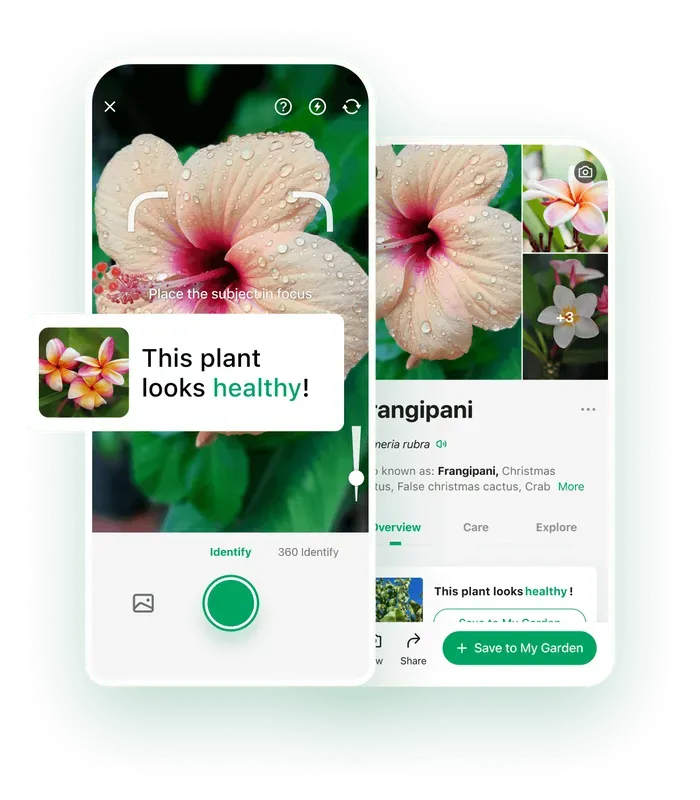
PictureThis identifies a plant from a photo and provides details about its health and care, including watering, pruning, fertilizing, and more. It's a quick, easy way to learn what your plants need, but some recommendations are unusual, so it's worth double-checking them before trying them.
PictureThis is a plant-identification and care app designed to help you figure out what your plants are, what they need, and what may be going wrong. You simply snap a photo of a plant, and the app identifies it, assesses its health, and recommends steps you can take to improve it.
Initially, the app seemed like a fun novelty, but it ended up being one of the most useful plant-care resources I tested. PictureThis taught me a surprising amount about my plants — a fiddle-leaf fig tree, rubber plant, snake plant, dragon tree, Swiss cheese plant and heart-leaf philodendron — and helped me take better care of them.
The app goes well beyond identification. Once you save a plant to “My Garden,” you get information on watering, fertilizing, pruning, propagation, repotting, sunlight, temperature and common problems. There are also tools including a water calculator, light meter and repotting checker. I found the care information particularly helpful because it showed me that I couldn’t treat all my houseplants the same. For example, I had been watering everything about once a week and learned that several of my plants were severely underwatered, while others needed to dry out between waterings.
Not all of PictureThis’s advice was equally useful, though. Some straightforward recommendations — such as trimming the brown tips from my dragon tree and repotting plants that had outgrown their containers — worked well. But other suggestions sounded questionable enough that I researched them before proceeding. These included polishing leaves with diluted milk, watering with dissolved aspirin or sugar and using Epsom salts — practices I learned aren’t generally recommended. I skipped most of them. The light meter was another weak spot: It repeatedly told me my plants weren’t getting enough light, even when I tested them in bright, direct sunlight on my balcony.
One feature I found more reliable was Plant Advisor, which lets you send specific questions to the app’s support team. When white residue appeared on the outside of one of my terra-cotta pots, I submitted a photo and was told it was harmless mineral buildup from hard water. The advisor recommended cleaning the pot with diluted white vinegar; I tried it, and the residue came off.
PictureThis isn’t an infallible plant expert, and I wouldn’t follow every recommendation without question. But it gave me a much better understanding of how to care for my plants and helped me make changes — particularly better watering and repotting — that noticeably improved them. For a novice gardener looking for quick guidance, I found it useful as a starting point for figuring out what to do next.
XLUX Long Probe Soil Moisture Meter
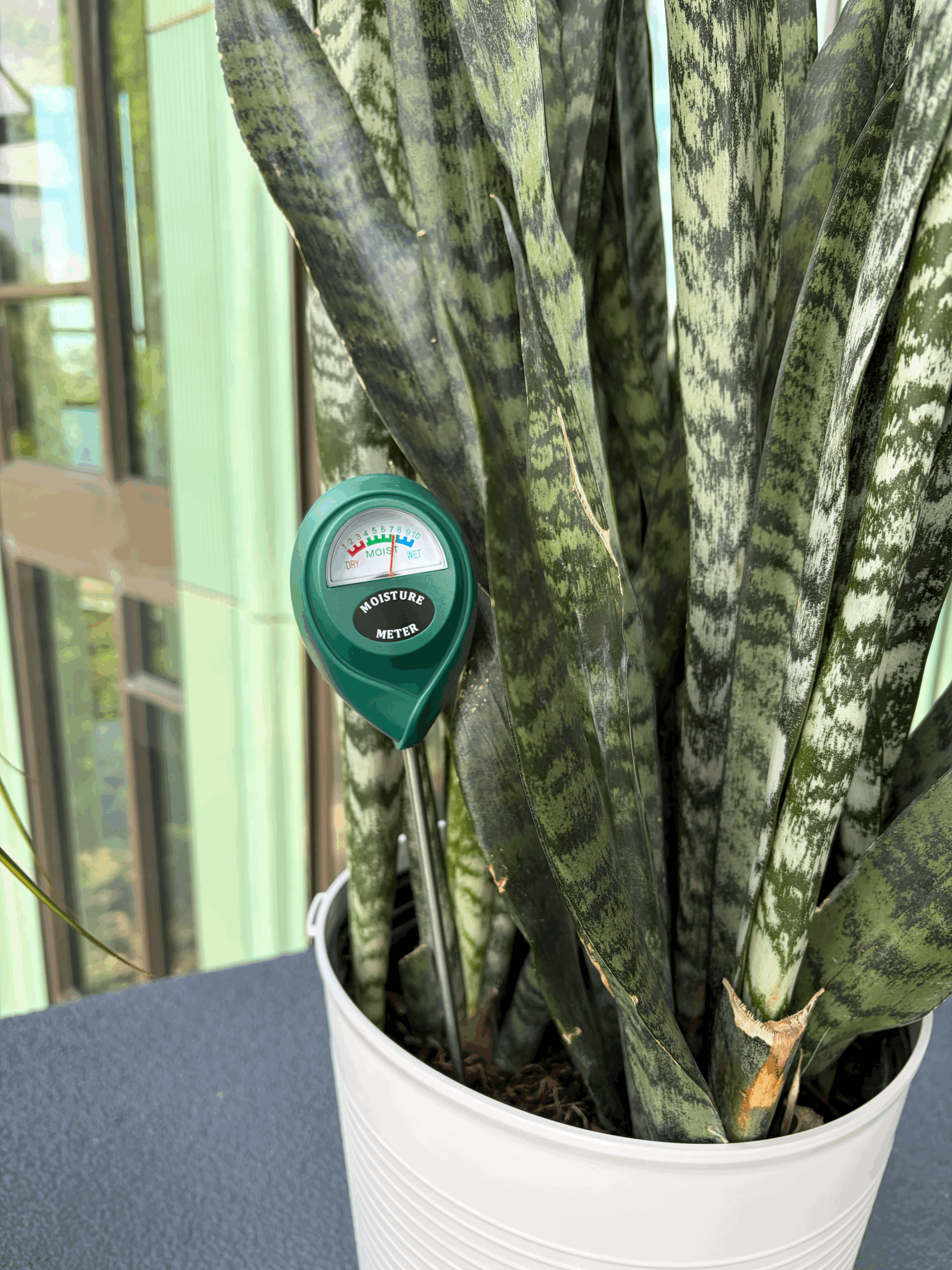
The XLUX moisture meter determines how wet or dry your plant's soil is in about five seconds. Just stick the long probe in the soil and watch as the meter registers one of 10 moisture levels. But be sure to remove it after testing, as the probe can corrode if left in soil.
The XLUX Long Probe Soil Moisture Meter was one of the simplest gardening tools I tested, but also one of the most useful. Along with PictureThis, it helped me realize that I had been underwatering several of my plants. Instead of watering on a schedule or judging moisture by the surface of the soil, I could check whether individual plants actually needed water.
It’s straightforward to use: Insert the single probe into the soil, wait a few seconds, and the dial registers the moisture level on a scale from 1 to 10, ranging from dry to wet. The 10.2-inch probe was particularly useful with my larger houseplants because I could get a reading well below the surface. And because the meter operates mechanically, it doesn’t require batteries or charging.
There is one important caveat: Don’t leave the meter in the pot. I initially missed the instructions in the box and mistakenly left mine in the soil for several days. The manufacturer cautions that prolonged exposure to soil can corrode the probe's tip and compromise its accuracy. Mine survived my mistake and continued to work, but I now remove it after each reading and wipe the probe clean. Used correctly, it’s a quick, low-effort way to take the guesswork out of watering.
Bloem Aqua Rite 1.1 Gallon Watering Can
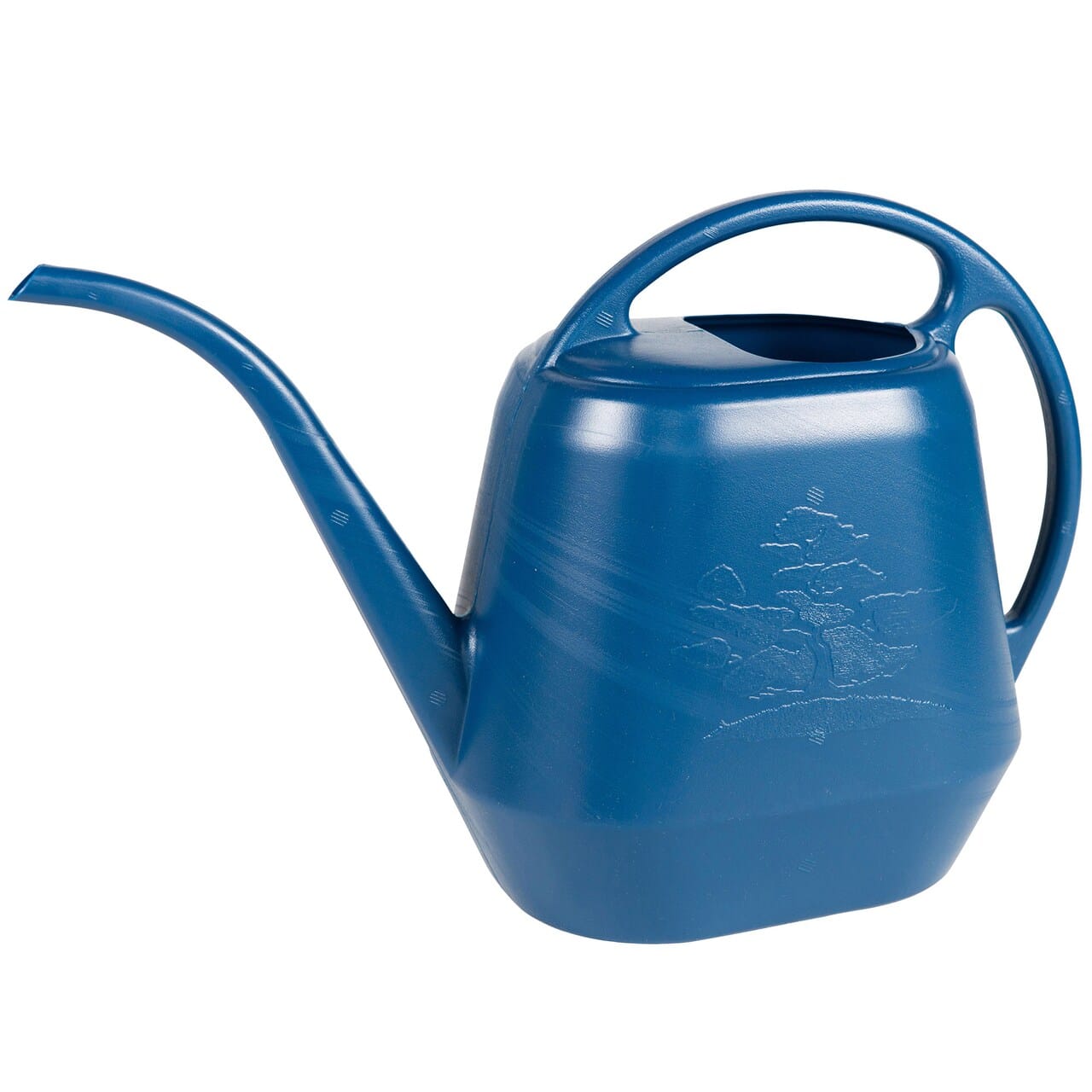
This lightweight, 1.1-gallon watering can holds enough water for several large houseplants, so you can make the rounds without repeatedly stopping to refill it. Plus its long, narrow spout makes it easy to reach beneath leaves and direct water into the soil without spilling.
A watering can is a simple piece of gardening gear, but the Bloem Aqua Rite made watering my plants noticeably easier than the glass decanter I had been using. Its long, narrow spout reaches beneath leaves and lets me direct water into the soil with less spilling — particularly helpful with my floppy dragon tree, whose leaves otherwise have to be shifted out of the way.
The 1.1-gallon capacity is large enough to water my four large plants without stopping to refill, yet the can itself weighs just a few ounces, so it doesn’t become unnecessarily heavy when full.
There isn’t much more complexity to it, which is part of the appeal. It’s inexpensive, made in the U.S. from recycled plastic, and does exactly what I need a watering can to do.
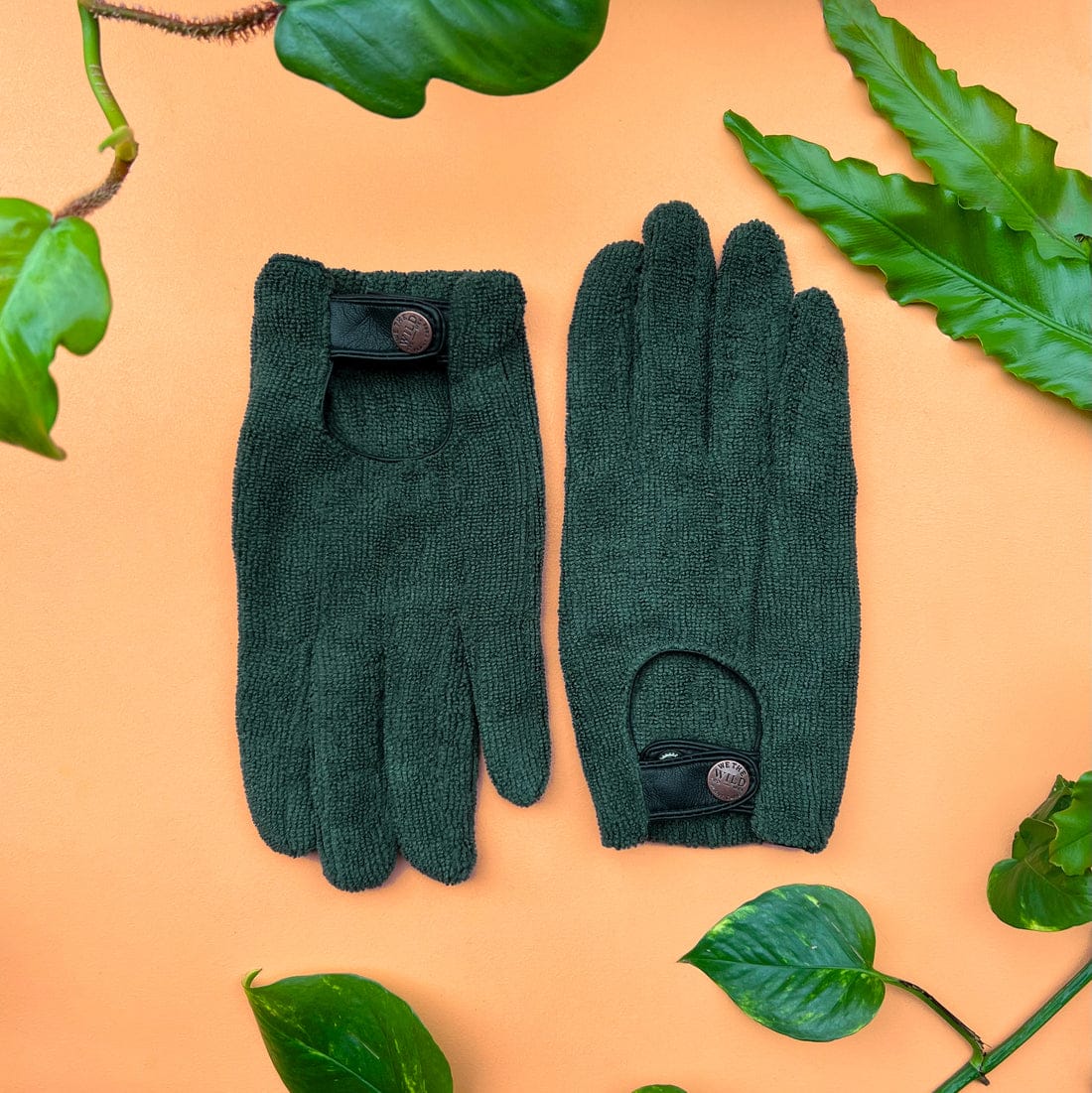
We The Wild Microfiber Leaf Cleaning Gloves
These microfiber gloves make it easier to clean plant leaves, including hard-to-reach undersides and crevices. They’re attractive and machine washable, but the one-size-fits-all design may be too large for people with smaller hands, even with the adjustable straps tightened.
I liked the idea of We The Wild’s Microfiber Leaf Cleaning Gloves more than I liked using them. These reusable gloves offer a simple way to remove dust from leaves — which is important because buildup can reduce the amount of light they absorb. Just slip them on and use your fingers to wipe the leaves clean, a much more efficient process than my previous method of cleaning leaves with wet paper towels.
Unfortunately, the one-size-fits-all design didn’t fit me. The gloves were huge on my petite hands, and even with the adjustable wrist straps tightened as far as they would go, the excess fabric flopped around and made it harder to control my fingers. The microfiber also shed lint the first time I used the gloves, although washing solved that problem.
Despite the fit issues, the gloves still made cleaning my plants easier and more enjoyable. But at this price, I’d want a better fit. They could be a handy addition to a plant-care kit for someone with larger hands, but I’d probably be just as happy with a less expensive pair of microfiber gloves that fit me properly.
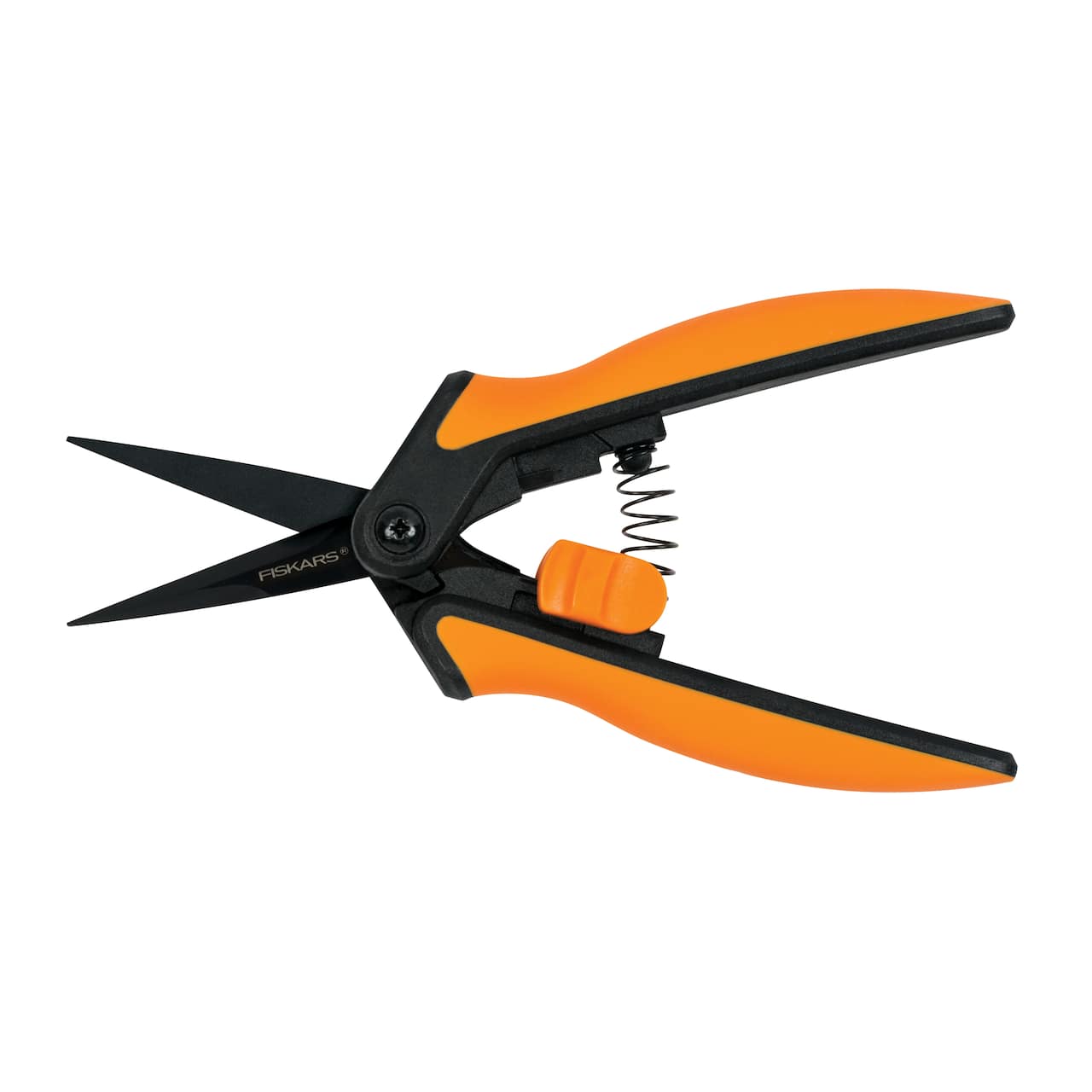
Fiskars 6 inch Steel Micro-Tip Pruning Scissors
Fiskars’ lightweight pruning scissors have small, sharp blades for precisely trimming plants. The spring-loaded grip automatically reopens the blades after each cut, making them effective for repetitive pruning, while a blade lock and removable cover protects the tips between uses.
Fiskars Micro-Tip Pruning Scissors are a lightweight, compact alternative to the large kitchen shears I had been using to trim my plants. The small, sharp stainless-steel blades gave me good control for tasks such as removing a browned leaf from my rubber plant, and they worked well on both delicate and more robust foliage.
My favorite feature is the spring-loaded grip, which automatically reopens the blades after every cut. It makes repetitive pruning faster and surprisingly relaxing as I settle into a rhythm. The rubberized handles are also comfortable and easy to hold.
For safe storage, the scissors have a removable blade cover and a lock that holds them closed. The lock feels a little flimsy, and I’m not sure it will hold up as long as the scissors themselves, but Fiskars backs the product with a lifetime warranty. Overall, these are great pruning shears for houseplants — a substantial upgrade from regular scissors that made routine trimming noticeably more efficient.
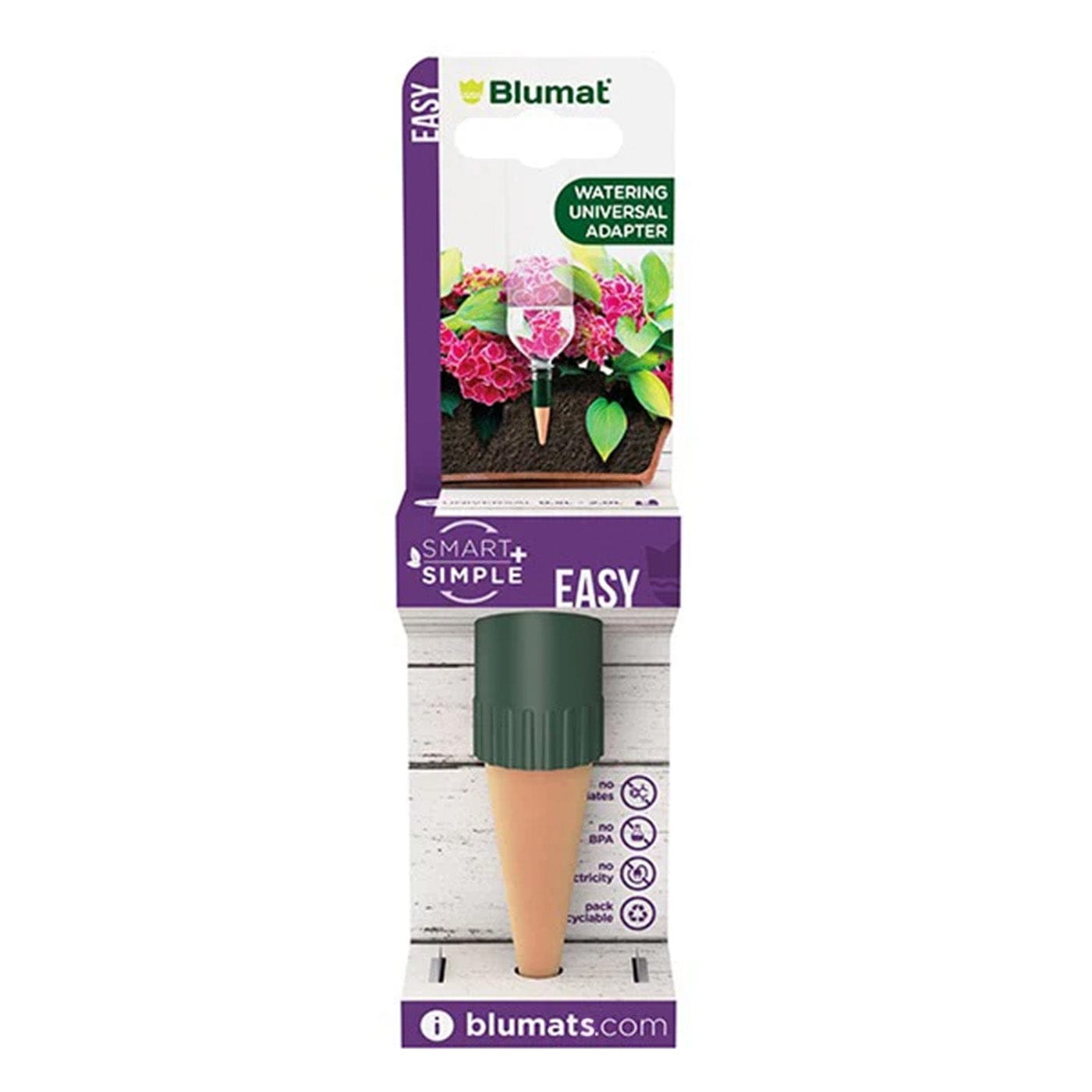
Blumat Easy Self-Watering Device
The Blumat Easy turns an ordinary plastic bottle into an automatic watering system. Attach a water-filled bottle to the terra-cotta spike and insert it into the soil for continuous watering. It’s simple and inexpensive, but best suited to plants that tolerate consistent moisture.
The Blumat Easy self-watering device turns an ordinary plastic water bottle into an automatic watering system for a single plant. It uses a porous terra-cotta spike to gradually release water into the soil, providing a continuous supply over time. And setting it up is simple: Attach a water-filled bottle to the spike, make a small hole in the bottom of the bottle, and insert the spike into the soil.
I tested the Blumat Easy on my snake plant and initially liked the idea that I could simply leave it in place and not have to think about watering it. But my 500-milliliter bottle emptied in about two days, which seemed like too much water for a snake plant. When some of the leaves began to droop, I moved the device to my fiddle-leaf fig tree.
That experience highlighted an important limitation: The Blumat Easy is better suited to plants that tolerate consistently moist soil than those, like snake plants, that should dry out between waterings. Used with the right plant, though, it’s an inexpensive, low-effort way to provide automatic watering, particularly when you’re away from home.
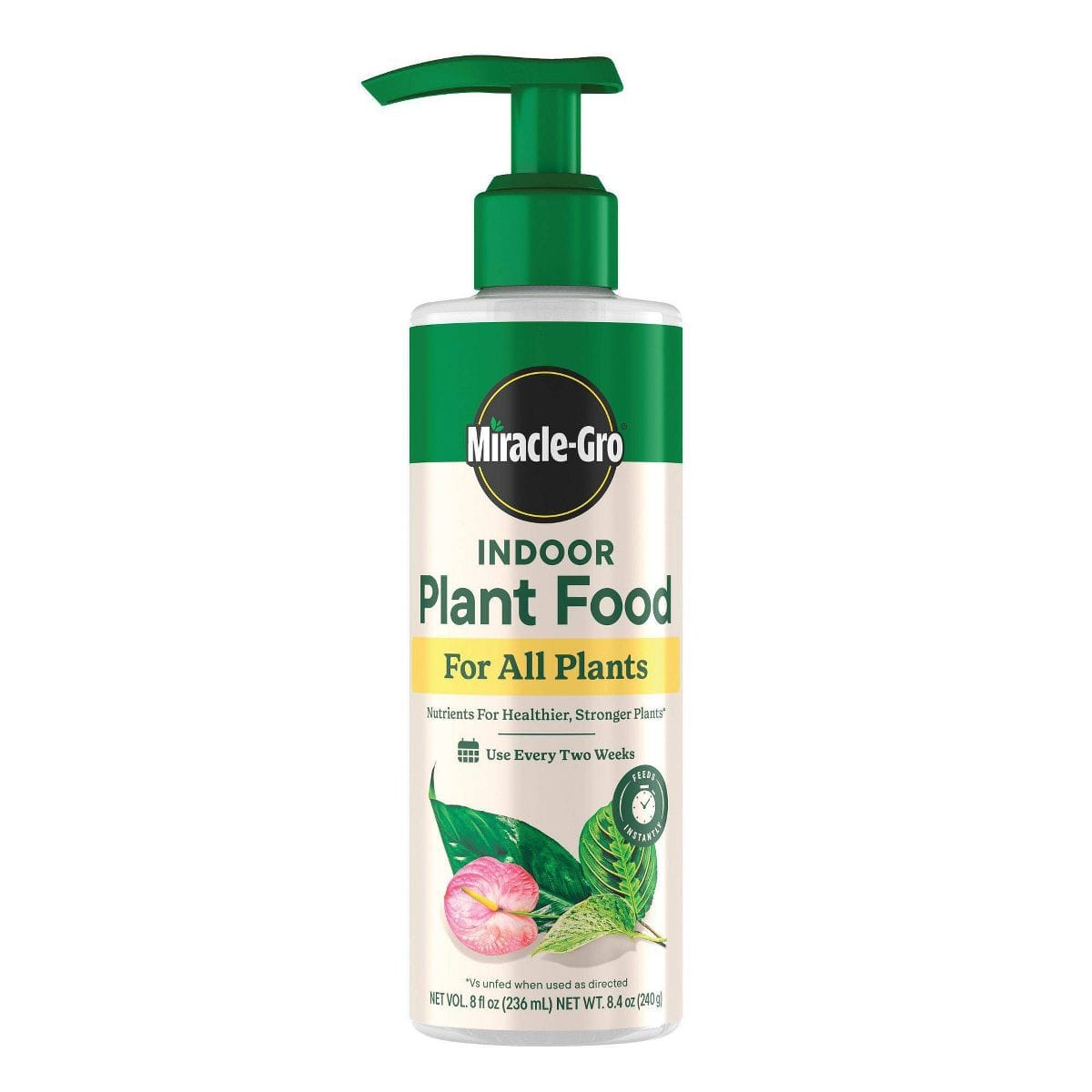
Miracle-Gro Indoor Plant Food for All Plants
This liquid plant food is suited to all types of houseplants. The formulation has a balanced ratio of the three main nutrients needed by plants to grow and stay healthy: nitrogen, phosphorus, and potassium. Plus, it can be applied directly to the soil or diluted during watering.
I’d been using Miracle-Gro Indoor Plant Food for years, occasionally giving my houseplants a few pumps when they looked unhealthy. But it wasn’t until PictureThis recommended a plant food with a 1-1-1 ratio of nitrogen, phosphorus and potassium that I looked more closely at the bottle under my sink. It turned out that the Miracle-Gro I already owned had exactly that ratio.
This balanced formula provides the three main nutrients plants need to stay healthy in equal proportions, making it a useful all-purpose choice. Nitrogen supports leafy growth, phosphorus contributes to root development and flowering, and potassium supports overall plant health and functions such as water regulation.
Using it is also straightforward. You can apply the liquid directly to the soil and then water, or dilute it in your watering can to feed your plants as you water. For basic houseplant feeding, it’s an uncomplicated product that covers the essentials.
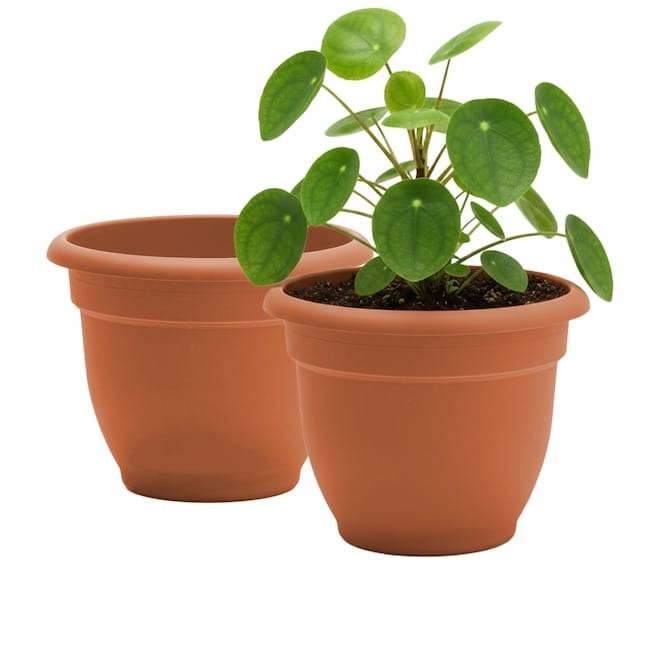
Bloem Ariana 12 inch Self-Watering Planter
This lightweight resin planter offers the appearance of traditional terra-cotta without the weight, making moving larger plants easier. It also has a built-in self-watering feature for indoor use and optional knock-out drainage holes that allow rainwater to escape when used outdoors.
When PictureThis told me some of my plants needed repotting, I had to find bigger planters. I chose the 12-inch Bloem Ariana because it was relatively inexpensive and made of lightweight resin but had the traditional look of terra-cotta. Comparable ceramic and terra-cotta pots were much heavier, and I wanted to be able to move my large potted plants without needing help.
The Ariana also has a built-in self-watering feature. A plastic disk at the bottom creates a reservoir beneath the soil, allowing the plant to draw up excess water as needed. The bottom is sealed for indoor use, but there are optional knock-out drainage holes for outdoor use. I opened the holes so excess rainwater could drain when I put my plants on the balcony.
The 12-inch pot took quite a bit of fresh potting soil, but it gave my plants the extra room they needed after roots had begun growing out of their previous pots. It’s also made in the U.S. from recycled plastic and designed to resist fading outdoors. Overall, the Ariana gave me the size and elegant look I wanted at a manageable weight and price.
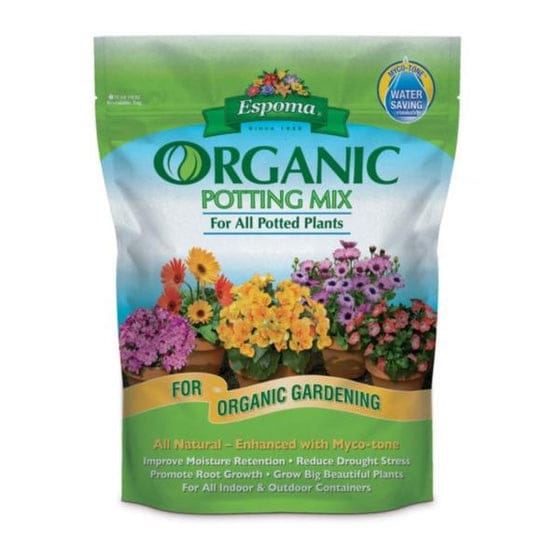
Espoma Organic Potting Mix
This all-purpose potting mix has a good combination of ingredients, including peat moss and perlite, to help a variety of houseplants grow and thrive. The lightweight 8-quart bag isn't too large, making it especially practical if you have only a handful of plants.
Another gardening essential I didn’t know I’d need was potting soil. When PictureThis told me my rubber plant and fiddle-leaf fig needed larger planters, I had to select a bag of dirt for repotting them. I chose Espoma Organic Potting Mix because it was made for all types of plants and came in a relatively lightweight 8-quart bag that looked to me like the right amount for two large plants.
The mix worked well for repotting, and I later learned that its formulation contains the key ingredients for good container soil. Peat moss and perlite help balance moisture retention, drainage, and airflow around the roots. It also contains earthworm castings, which add organic matter and nutrients, and mycorrhizal fungi that may help roots access water and nutrients. Those are useful extras, but moisture retention, drainage and airflow are the fundamentals.
Like any potting soil, it was messy to work with, and it had a strong mossy, earthy smell when I first opened the bag, although the odor dissipated over time. The 8-quart bag also went farther than I expected, with plenty left over after repotting my plants. For someone with only a handful of houseplants, Espoma’s all-purpose mix provides a versatile potting soil in a manageable amount that’s easy to carry and store.
This article is written and edited by a writer who selects the products and ensures the information provided is accurate. Product prices and availability are accurate as of the publication date. We may receive compensation from retailers and/or from purchases made through these links.