The 5 Best Winter Running Jackets
For Men
By Nathan Gardiner

Photo Credit: iStockPhoto

Sticking with outdoor activity in winter is less about motivation than it is about comfort.
Once you’re moving regularly — whether that’s running a few times a week, mixing in walks, or heading out whenever conditions allow — the wrong jacket can quickly become the limiting factor. Too warm, too stiff, or not breathable enough, and even short outings can feel harder than they should.
Winter running jackets sit in a tricky middle ground between insulation and ventilation. They need to block wind and precipitation while releasing heat as effort levels rise, and they have to feel comfortable across a range of activities, not just all-out runs. A jacket that only works at one pace or in one narrow set of conditions isn’t especially useful for day-to-day winter use.
For this guide, we focused on jackets designed to perform while moving in colder weather. Our testers wore each option repeatedly during runs of varying intensity, as well as walks and everyday outings, evaluating breathability, weather resistance, essential features, and thermal regulation. We prioritized jackets that adapted well as conditions and effort levels changed.
The jackets below reflect different approaches to winter conditions, covering the most common ways people stay active outdoors during the colder months.
Our Methodology
Our team of testers hit the road in various weather conditions and on runs of varying intensities, as well as walks. Here's what we considered to find the best jackets out there:


Breathability: We evaluated how well each jacket lets heat and moisture escape during a run, taking venting and drying time into account.
Weather Resistance: We tested how each jacket stands up to wind, rain, and cold, as well as sustained versus changing weather conditions.
Thermal Regulation: We assessed each jacket’s ability to manage body heat across different temperatures and effort levels.
Essential Features: We looked closely at the design details that affect usability while running, including pockets, hoods, and adjustability.
Our Picks
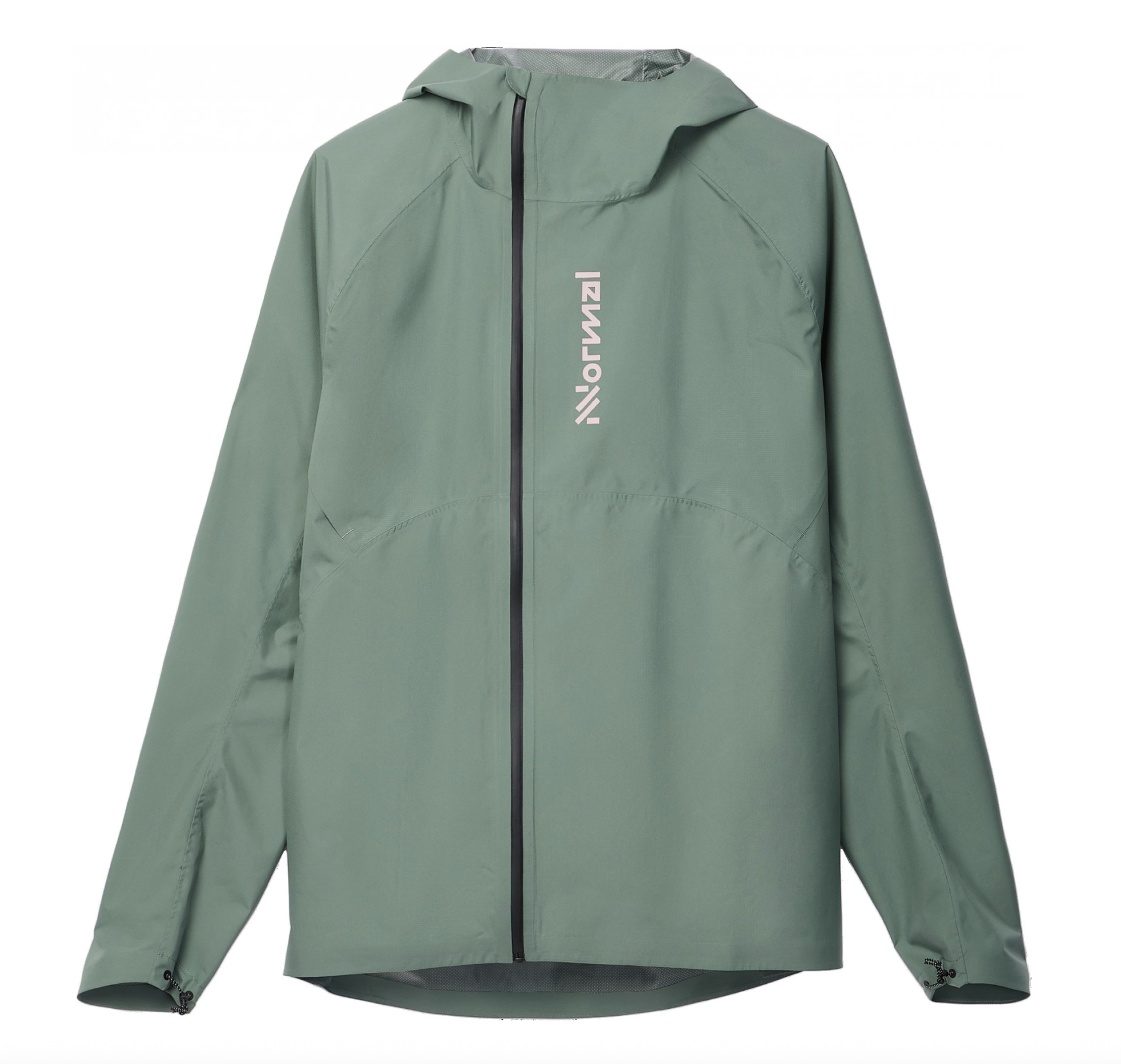
PICK #1: NNormal Trail Run
Breathable and weather-ready, this jacket justifies its premium price:
MINIMALIST
Premium protection with impressive breathability: $200 from NNormal Trail Run
If you want a waterproof running jacket that doesn’t feel overbuilt, this one stands out. Streamlined and minimalist in design, it balances strong weather protection with real breathability, moves comfortably as conditions change, and works just as well for everyday runs as it does for tougher mountain days.
OUR REVIEW
The NNormal Trail Run jacket stands out as a premium waterproof layer that works just as well for hard efforts as it does for slower, everyday outings. Built with trail running in mind, it uses Pertex® Shield Revolve fabric with a 20,000 mm waterproof rating and 20,000 g/m² breathability, offering serious protection from rain and wind while still allowing heat and moisture to escape. In real use, that means it feels less stiff and clammy than many fully waterproof shells — whether you’re pushing the pace uphill or heading out for a brisk walk in steady rain.
The fit strikes a thoughtful balance between athletic and comfortable. It’s streamlined enough for runners who want a jacket that moves naturally with their stride, but not so tight that it feels restrictive for walking or layering over warmer clothing. Raglan sleeves allow easy arm movement, and the adjustable hood stays put in wind without blocking peripheral vision — useful whether you’re navigating technical trails or just keeping your head down in bad weather. Adjustable cuffs and hem help seal out drafts, which makes the jacket feel adaptable across different activity levels.
Breathability is one of this jacket’s biggest strengths. During steady runs, it manages moisture better than most waterproof options, and during walks or stop-and-go activity, it doesn’t trap excess heat the way heavier shells can. Thermal regulation is solid but intentional: this jacket doesn’t add warmth on its own, making it best paired with a base- or mid-layer when temperatures drop.
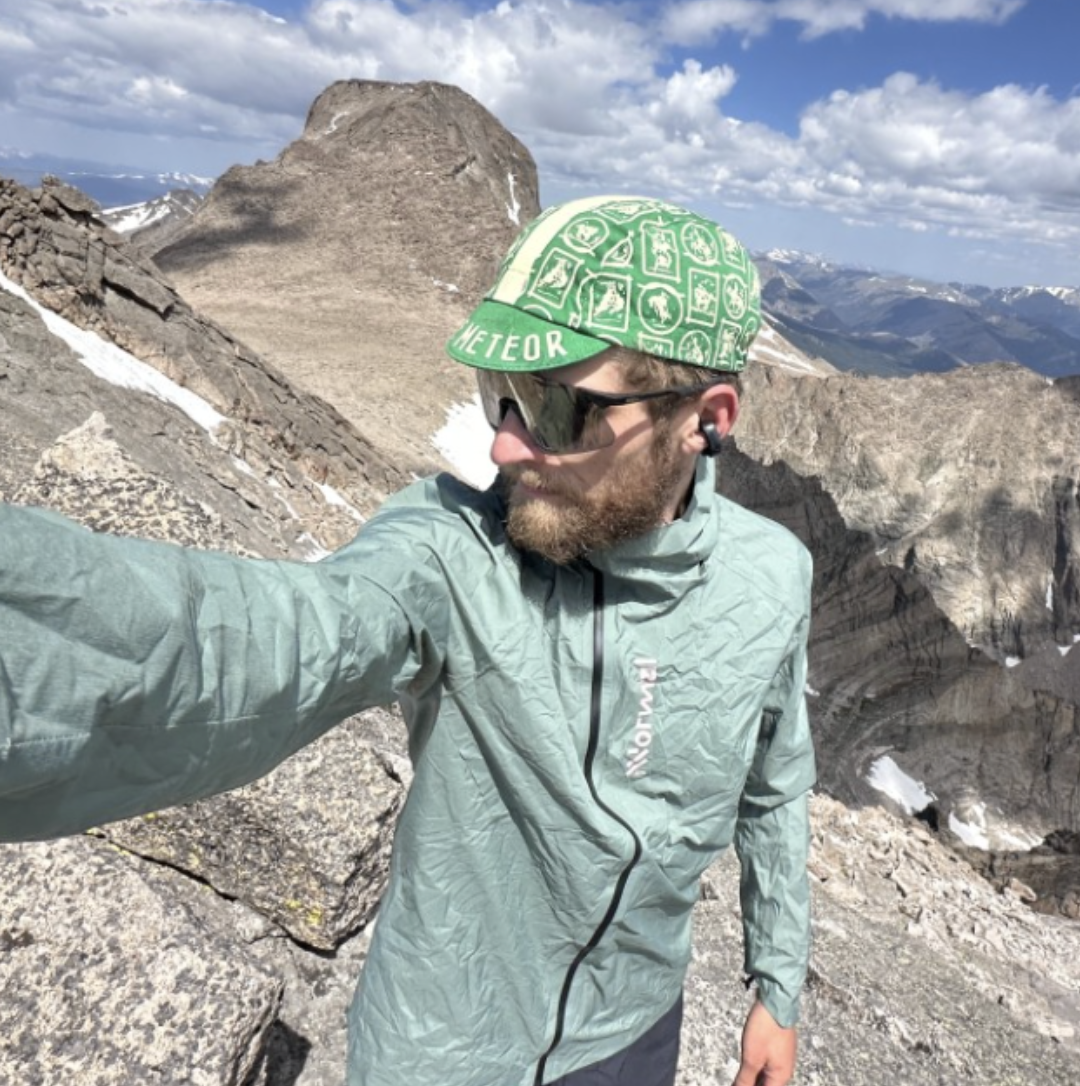
“I’m Nathan Gardiner, here testing the NNormal Trail Run. For reference, I’m 6’2” and wearing a size XL.””
That versatility makes it a true year-round layering staple rather than a jacket you only reach for in extreme conditions.
Without traditional hand pockets, there’s minimal space for items you want to keep within easy reach. That simplicity helps keep weight down and allows the jacket to pack neatly into its own hood pocket for portability.
Overall, the NNormal Trail Run feels like a well-considered investment for anyone who wants dependable weather protection that works across running, walking, and everyday outdoor use without feeling overly technical or overbuilt.
Worth Noting:
The minimalist design doesn't have any pockets, only an envelope-style pouch on the back of the hood.
While the jacket compresses neatly into the hood pouch, the packed size is larger than ultralight shells.
Despite excellent breathability, the waterproofing can make the jacket feel too protective when there's no rain.
Key Details:
Weight/packability: Lightweight, packs into its own hood pocket
Weather protection: Fully waterproof and windproof shell
Breathability/venting: Breathable waterproof fabric, no mechanical vents
Pockets/storage:No hand pockets, packs into hood pouch (minimal storage)
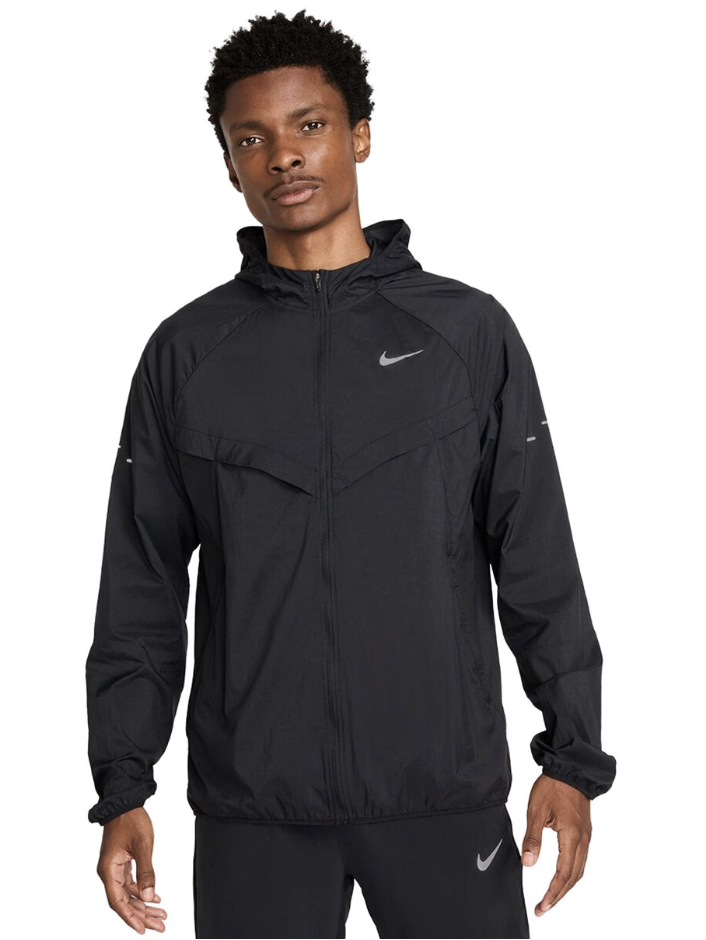
VENTILATED
Lightweight protection with everyday versatility: $130 from Nike , $125 from Zappos
The Stride Repel UV is well suited to mild, variable conditions where full waterproofing isn’t necessary. Its lightweight, water-repellent shell, built-in ventilation, and packable design make it a practical layer for running, walking, and everyday activity when you want coverage without added warmth.
OUR REVIEW
The Nike Stride Repel UV sits at the lighter, more breathable end of the winter running jacket spectrum, with a design that feels cleaner and more polished than most performance shells. It’s built for mild, variable conditions where you want protection from wind and light rain without the weight, stiffness, or technical look of a fully waterproof jacket. In practice, it transitions easily between runs, walks, and everyday wear. It's the pick that is best suited to milder winter weather.
Weather resistance is intentionally limited. The jacket uses a water-repellent nylon shell that sheds light rain and drizzle but isn’t designed for sustained downpours. For short exposures or milder weather, it provides enough coverage to stay comfortable, especially when paired with strong airflow. Wind resistance is solid for such a thin layer, helping cut the chill on cooler days without trapping heat.
Breathability is the Stride Repel UV’s defining strength. Front and back vents, along with mesh-lined pockets, allow heat to escape efficiently during movement. This makes the jacket particularly comfortable for steady runs, brisk walks, or stop-and-go activity, where heavier shells can feel stuffy. During moderate efforts, it’s easy to forget you’re wearing an extra layer at all.
Thermal regulation follows the same lightweight approach. The jacket adds very little warmth on its own and works best as a shell layered over a long-sleeve shirt or light midlayer. That makes it especially useful during shoulder seasons or mild winter days, when full insulation would be excessive. At higher effort levels, the lack of built-in warmth helps prevent overheating.
The fit is standard and comfortable, with raglan sleeves that reduce chafing and allow a natural range of motion. An adjustable hood provides coverage in wind or light rain without excess bulk, and reflective details add visibility in low light. Storage is functional but restrained: zippered pockets secure small essentials, and the jacket packs into its own pocket for easy carrying in a vest or bag.
Overall, the Nike Stride Repel UV is best suited to runners and everyday users who prioritize breathability, comfort, and packability, and who also want a jacket that looks at home beyond workouts. It’s a practical option for mild winter conditions and transitional weather, especially if you want one layer that works for both activity and daily use.
Worth Noting:
Because it's water-repellent rather than waterproof, it's best suited for light rain than heavy precipitation.
The lightweight, ventilated construction makes it less durable than more protective shells.
With little built-in warmth, the jacket works well for active use but requires layering for colder weather or slower paces.
Key Details:
Weight/packability: Lightweight shell, packs into its own pocket
Weather protection: Water-repellent and wind-resistant (not waterproof)
Breathability/venting: Front and back vents, mesh-lined pockets
Pockets/storage: Zippered pockets for small items
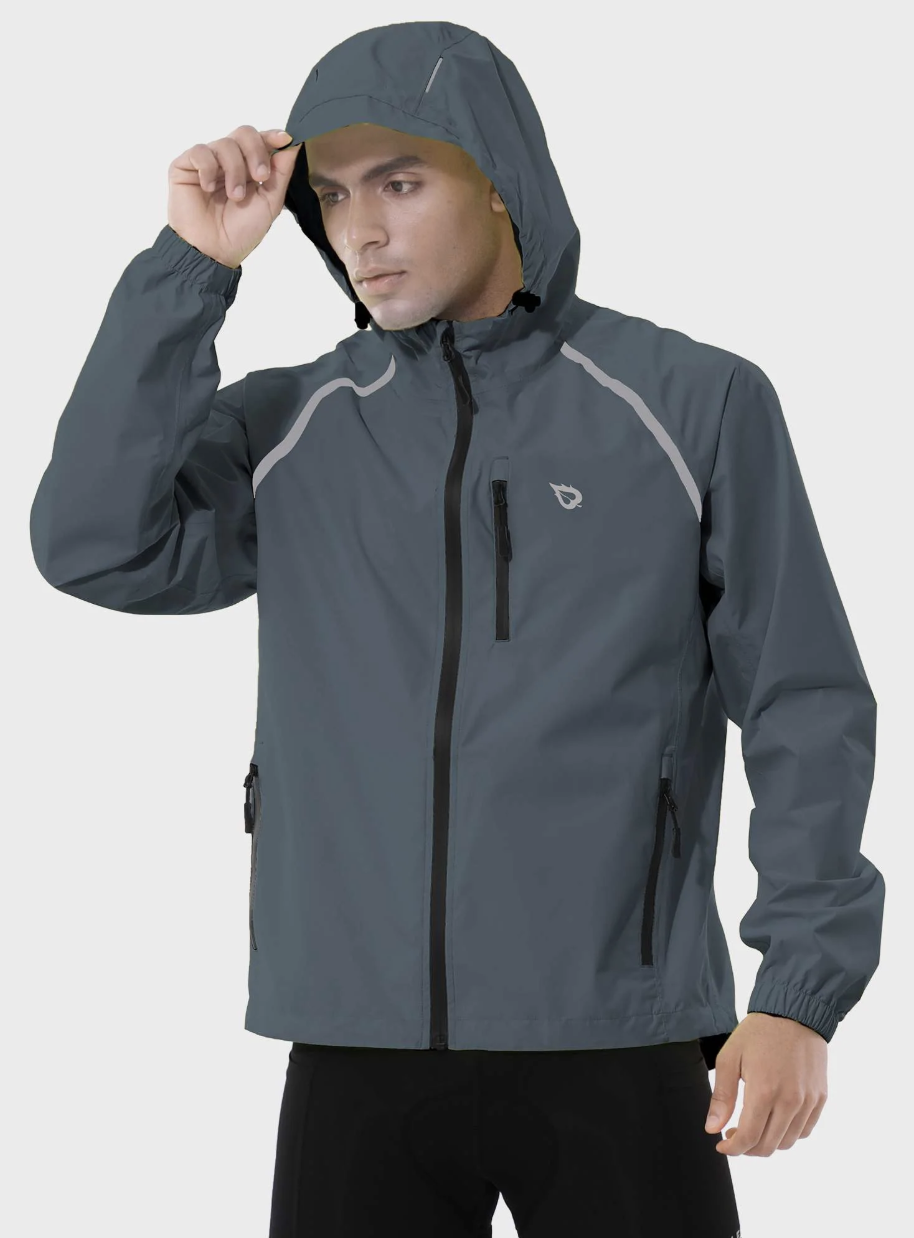
VALUE
Reliable waterproofing at a lower price: $59.88 from Amazon , $55 from Baleaf
If your priority is staying dry without paying top dollar, this jacket delivers a lot for the price. It offers seam-sealed waterproofing, generous ventilation, and ample pocket space, making it a solid choice for runs, walks, and everyday outings in wet, blustery conditions.
OUR REVIEW
This jacket earns its place as the more affordable waterproof option in this roundup by focusing squarely on weather protection and practical features. It uses a mid-level waterproof shell that sheds rain and blocks wind, making it a reliable choice in wet conditions if a premium shell isn't in the budget.
Weather resistance is the jacket’s strongest attribute. The waterproof shell reliably blocks rain and wind, providing consistent protection in sustained wet conditions. While the fabric doesn’t feel as refined as higher-end options, it performs dependably for its category and offers reassuring coverage when the weather turns blustery or wet.
Breathability is adequate for a waterproof jacket in this category. There's rear ventilation and breathable fabric panels that help move heat away from the body during activity. At moderate efforts — such as brisk walking, easy running, or errands in variable weather — this ventilation keeps the jacket from feeling overly stuffy. During higher-intensity runs, however, you may notice a bit more heat and moisture buildup than with more technical jackets.
Thermal regulation reflects the jacket’s practical orientation. The Baleaf provides little built-in warmth and works best as an outer layer paired with a base or light midlayer in cooler temperatures. Its windproof shell helps retain some warmth during movement, but additional insulation is still necessary in colder conditions.
This jacket stands out for everyday use thanks to its practical feature set. Multiple zippered pockets — four on the exterior and two inside — provide more on-body storage than most running jackets, making it easy to carry essentials without a separate pack. The adjustable hood offers solid coverage in rain and wind, though it runs a bit large and may feel more helmet-friendly than necessary for running. Elastic cuffs and a slightly shorter cut help block drafts without restricting movement.
Overall, this jacket is best suited to people who prioritize weather protection, storage, and value over sleek lines or high-end performance. It works well for running, walking the dog, commuting, and general outdoor use in rainy weather, particularly if affordability is a key consideration.
Worth Noting:
Breathability is limited, and the jacket can feel warm during higher-intensity efforts.
The fit runs small, so sizing up is often more comfortable, especially if layering.
The adjustable hood is roomy and may feel oversized for casual use.
Key Details:
Weight/packability: Lightweight shell, packs into its own pocket
Weather protection: Seam-sealed, waterproof and wind-resistant fabric
Breathability/venting: Rear vent and breathable panels
Pockets/storage: Four exterior zippered pockets and two interior pockets
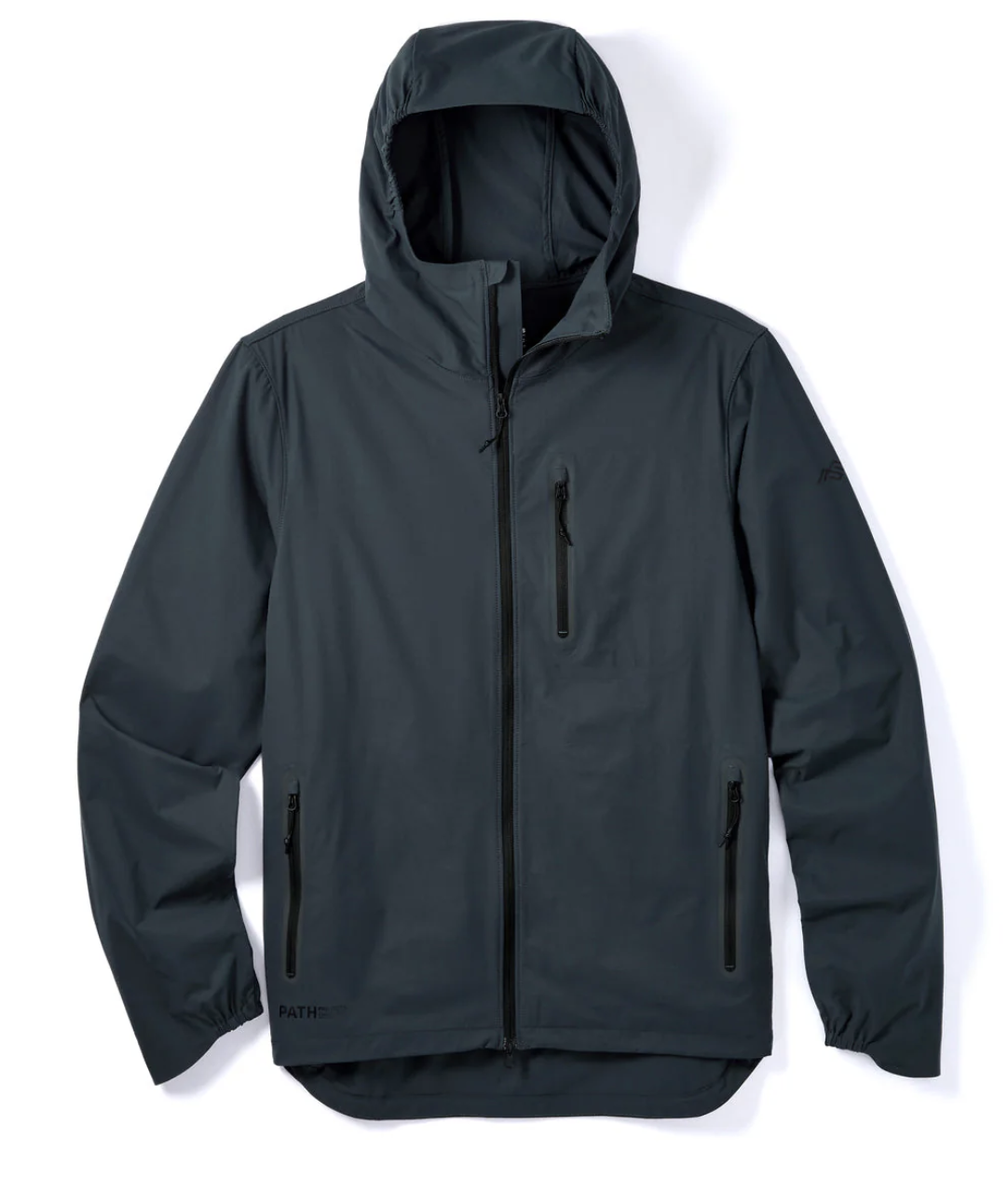
ADAPTABLE
Versatile protection for changing conditions: $158 from Path Projects
The Graves PX is a strong choice when weather is variable. Its technical shell balances wind and light precipitation resistance with excellent mobility and breathability. Without the stiffness of heavier, fully waterproof jackets, it's useful for both runs and walks during seasonal transitions.
OUR REVIEW
The Path Projects Graves PX is built for days that fall between mild weather and full-on storms — when wind and cooler temperatures call for more than a shirt, but a fully waterproof shell would be overkill. It offers wind protection and light rain resistance while staying breathable during movement, filling the gap between ultralight layers and heavier rain jackets.
Weather resistance is intentionally limited but well matched to its intended use. The jacket uses a tightly woven softshell fabric that blocks wind well and handles light rain or drizzle, making it a good choice for breezy days, misty mornings, or variable conditions when steady rain isn’t expected. Compared with waterproof shells, it feels more flexible and easier to wear for longer periods, especially when conditions change mid-outing.
Breathability is one of the jacket’s strongest attributes. Without a waterproof membrane, the fabric allows heat and moisture to escape efficiently, which helps regulate temperature during steady runs or brisk walks. This makes the jacket particularly comfortable during moderate to higher-effort activity, where fully sealed shells can feel clammy or restrictive.
Thermal regulation reflects the jacket’s adaptable nature. It provides little insulation on its own, functioning primarily as a wind-blocking layer. In cool conditions, it pairs well with a long-sleeve base layer, and in colder weather it can be layered with additional insulation as needed. This flexibility makes it useful across shoulder seasons, when temperatures fluctuate and effort levels vary throughout a run or walk.
Essential features are streamlined and purpose-driven. The fit is athletic without being overly tight, allowing for natural movement at all paces. Pockets are present but restrained, offering enough space for small essentials without adding bulk. The hood provides coverage from wind and light precipitation while maintaining a low-profile feel, reinforcing the jacket’s emphasis on comfort and mobility rather than maximum weather sealing.
Overall, the Path Projects Graves PX is best for people who want a highly wearable jacket for cool, windy, and lightly wet conditions. It’s not meant to replace a storm shell, but for days that sit between mild weather and heavy rain, it offers a comfortable, breathable option for running, walking, and everyday outdoor use.
Worth Noting:
Protection focuses on wind resistance and breathability, not all-day storm coverage.
It provides little built-in warmth, making layering important in colder conditions.
The jacket is not fully waterproof, so it’s better suited to light precipitation than sustained rain.
Key Details:
Weight/packability: Lightweight softshell, does not pack into its own pocket
Weather protection: Wind-resistant, sheds light rain but not fully waterproof
Breathability/venting: Highly breathable fabric, no mechanical vents
Pockets/storage: Minimal, streamlined pockets for small essentials
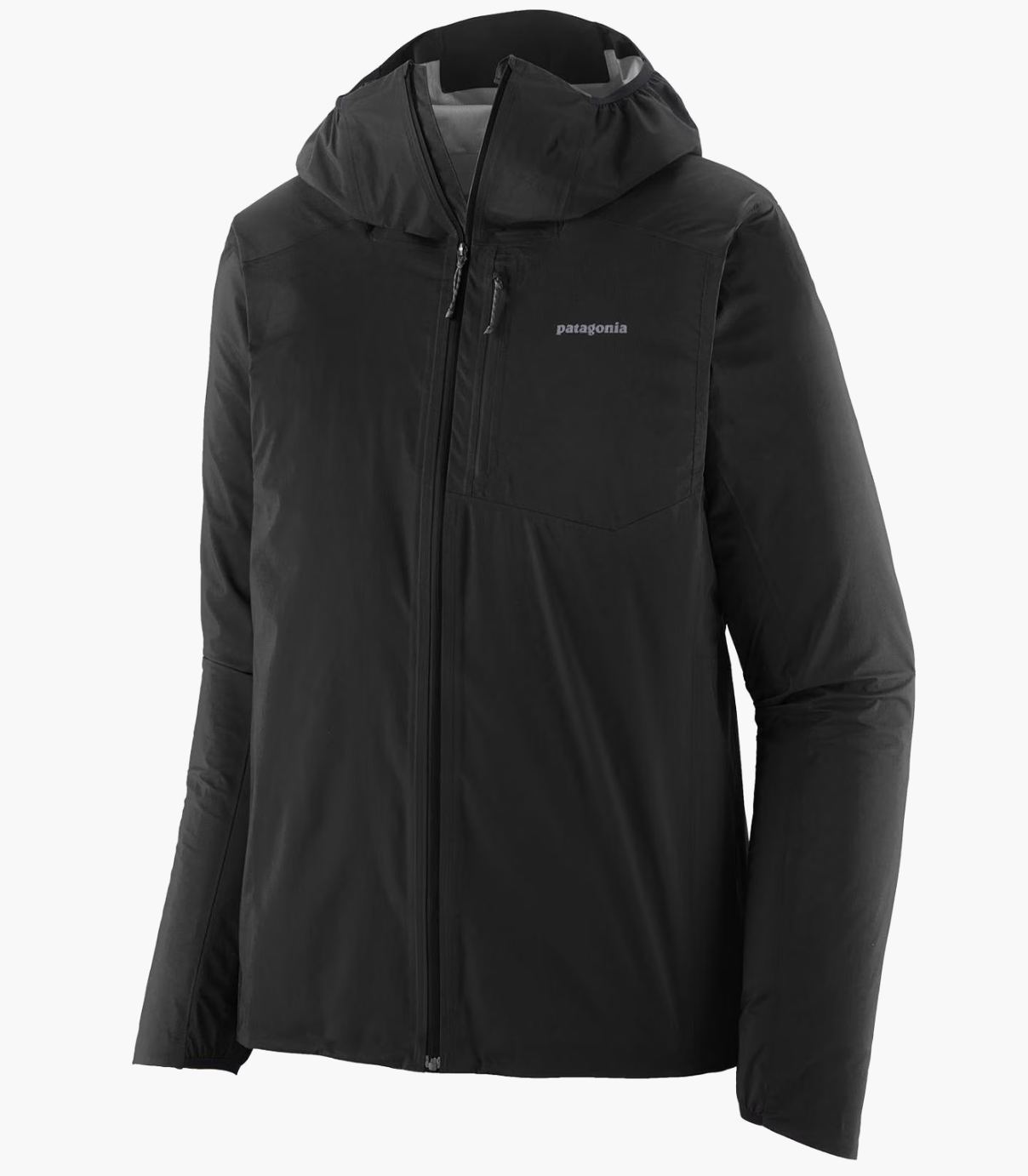
STORMPROOF
Serious storm protection in a lightweight shell: $299 from Patagonia, $299 from REI
This is the jacket to reach for when rain is guaranteed, not just possible. The Storm Racer offers reliable waterproof protection in a lightweight, packable design that works well for trail and mountain runs, as well as everyday outings, especially when you need to head out in sustained wet conditions.
OUR REVIEW
The Patagonia Storm Racer is a purpose-built waterproof shell designed for wet, winter conditions, with an emphasis on protection over versatility. It uses Patagonia's three-layer H2No Performance Standard fabric to deliver reliable waterproofing and wind protection in sustained rain. In comparison to the NNormal Jacket, our top pick, the Patagonia jacket has better water proofing, making it ideal for wet weather activities.
The jacket’s lightweight construction and trim fit make it well suited to active use. It moves easily while running and doesn’t feel cumbersome when walking, though the cut is clearly athletic rather than relaxed. Raglan sleeves support natural arm movement, and the adjustable hood cinches down securely to help block wind and rain without obstructing vision. Overall, the Storm Racer prioritizes staying sealed and streamlined over comfort-focused extras.
Breathability is solid for a fully waterproof shell, but this is not a jacket designed to disappear during higher-output efforts. Without mechanical vents, heat and moisture can build up during sustained running or long uphill sections. At moderate paces — such as walking, hiking, or easy running — it manages internal moisture reasonably well, but faster runners may notice it feels warmer than more breathable, less protective options.
Thermal regulation follows a similar logic. The Storm Racer provides no insulation on its own and works best as an outer layer paired with a base or midlayer depending on temperature. In cold rain or windy winter conditions, it excels at keeping weather out, but it’s less adaptable to fluctuating effort levels than jackets designed to balance protection and breathability more evenly.
Storage is intentionally minimal. A single zippered chest pocket holds small essentials and doubles as a stuff pocket for packing the jacket away. This keeps weight down and supports packability, but limits on-body storage for everyday use. As a result, the Storm Racer is best viewed as a reliable rain shell for clearly wet conditions, rather than a do-everything winter jacket.
Worth Noting:
Breathability is good for a waterproof shell, but the jacket can feel warm during sustained activity.
With just one chest pocket, storage is minimal and limits what you can carry.
In prolonged, heavy rain, comfort can decrease over time as heat and moisture build up inside the shell.
Key Details:
Weight/packability: Ultralight, packs into its chest pocket
Weather protection: Fully waterproof three-layer Patagonia H2No shell ·Breathability/venting: Breathable membrane, no mechanical vents
Pockets/storage: One zippered chest pocket
Top 5 Runner-Ups
You might also like these jackets, which stood out in testing and are worth considering alongside our top five picks.
Runner Up Pick #1: Tracksmith Franklin Fleece ($200)
A warm, breathable fleece for cold, dry conditions.
Key Details:
Breathability: Strong for a fleece, releases heat better than most wind shells.
Weather resistance: Offers light wind protection but isn’t built for rain or harsh conditions.
Essential features: Minimal design with just enough storage and an easy-to-layer fit.
Thermal regulation: Ideal for cool, dry runs, offering warmth without frequent overheating.
Pros and Cons
Large Color Selection
Full Zip and Quarter Zip Options
High Price Point
Only 2 Pockets
The Franklin Fleece is a warm, breathable layer designed for cold, dry conditions when a wind shell feels unnecessary. It offers better airflow than most outer layers while still providing meaningful warmth, making it a comfortable option for winter runs, everyday walks, and casual wear in cool, dry weather.
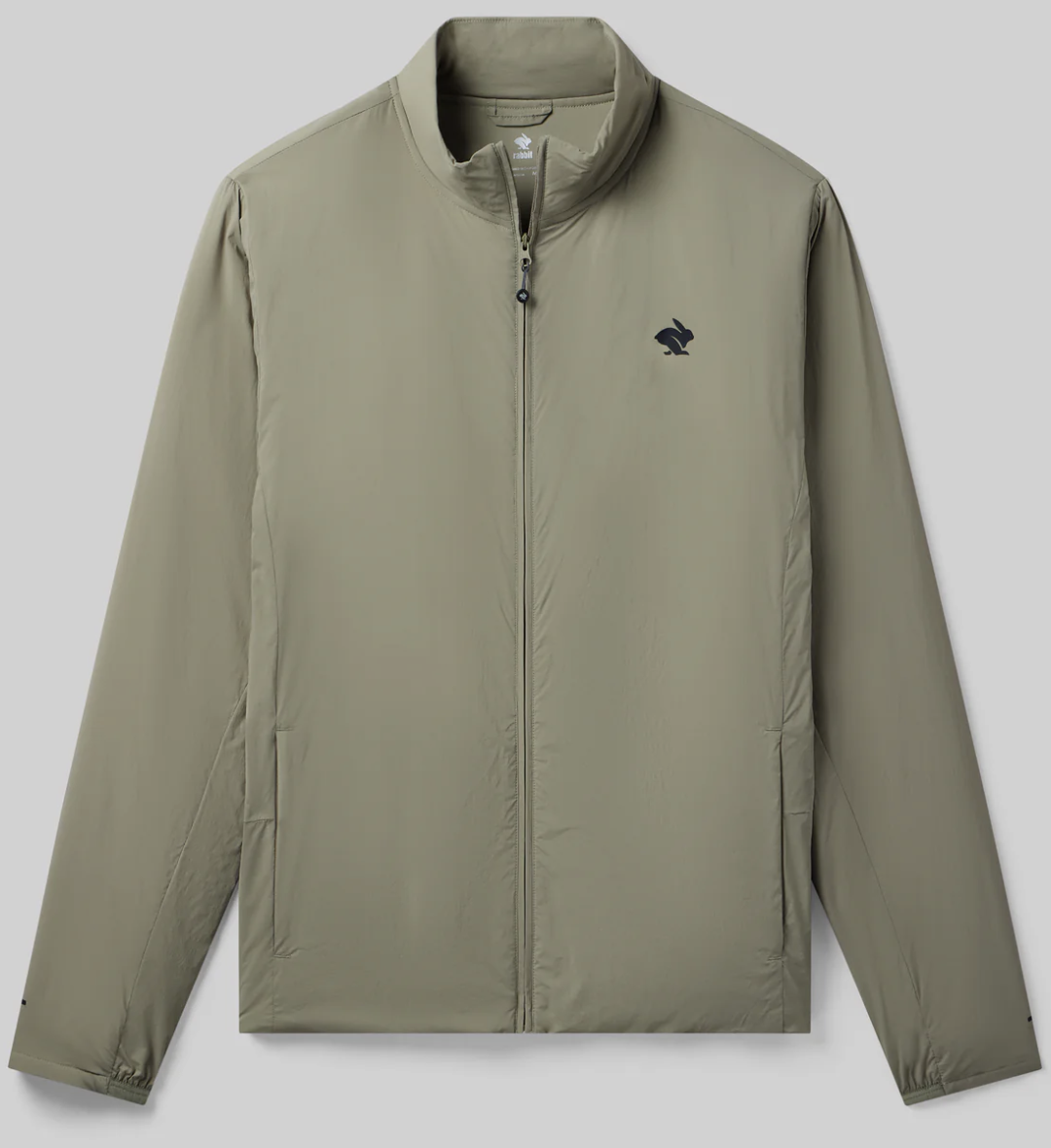
Runner Up Pick #2: Rabbit Warm Up n' Go ($160)
Warmth without bulk for frigid winter runs.
The Warm Up ’n Go is built for runners who head out in genuinely cold conditions and want warmth without excess bulk. It uses lightweight insulation and a streamlined fit to trap heat efficiently while preserving freedom of movement, making it a strong option for winter runs when temperatures drop but pace stays steady.
Key Details:
Breathability: Strong for a fleece, releases heat better than most wind shells.
Weather resistance: Offers light wind protection but isn’t built for rain or harsh conditions.
Essential features: Minimal design with just enough storage and an easy-to-layer fit.
Thermal regulation: Ideal for cool, dry runs, offering warmth without frequent overheating.
Pros and Cons
Large Color Selection
Full Zip and Quarter Zip Options
High Price Point
Only 2 Pockets
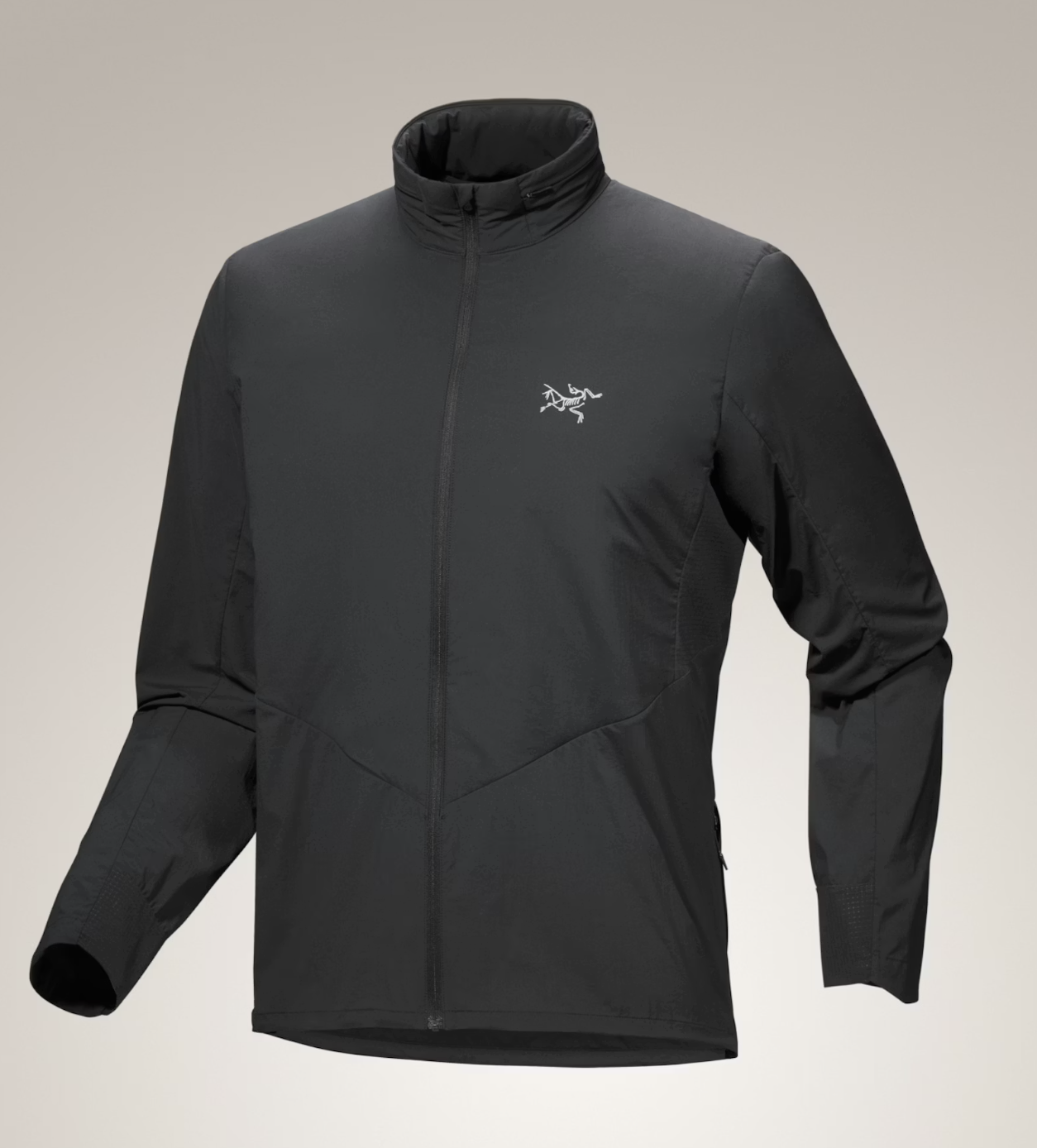
Runner Up Pick #3: Arc'teryx Norvan Insulated Hoody ($300)
Balanced insulation for cold mountain weather.
The Norvan Insulated Hoody is designed for cold-weather runs and outings in exposed, alpine terrain, where warmth, weather protection, and mobility all matter. It combines light insulation with a weather-resistant shell, making it a dependable option for mountain runs, hikes, and winter adventures that push beyond everyday conditions.
Key Details:
Breathability: Strong for a fleece, releases heat better than most wind shells.
Weather resistance: Offers light wind protection but isn’t built for rain or harsh conditions.
Essential features: Minimal design with just enough storage and an easy-to-layer fit.
Thermal regulation: Ideal for cool, dry runs, offering warmth without frequent overheating.
Pros and Cons
Large Color Selection
Full Zip and Quarter Zip Options
High Price Point
Only 2 Pockets
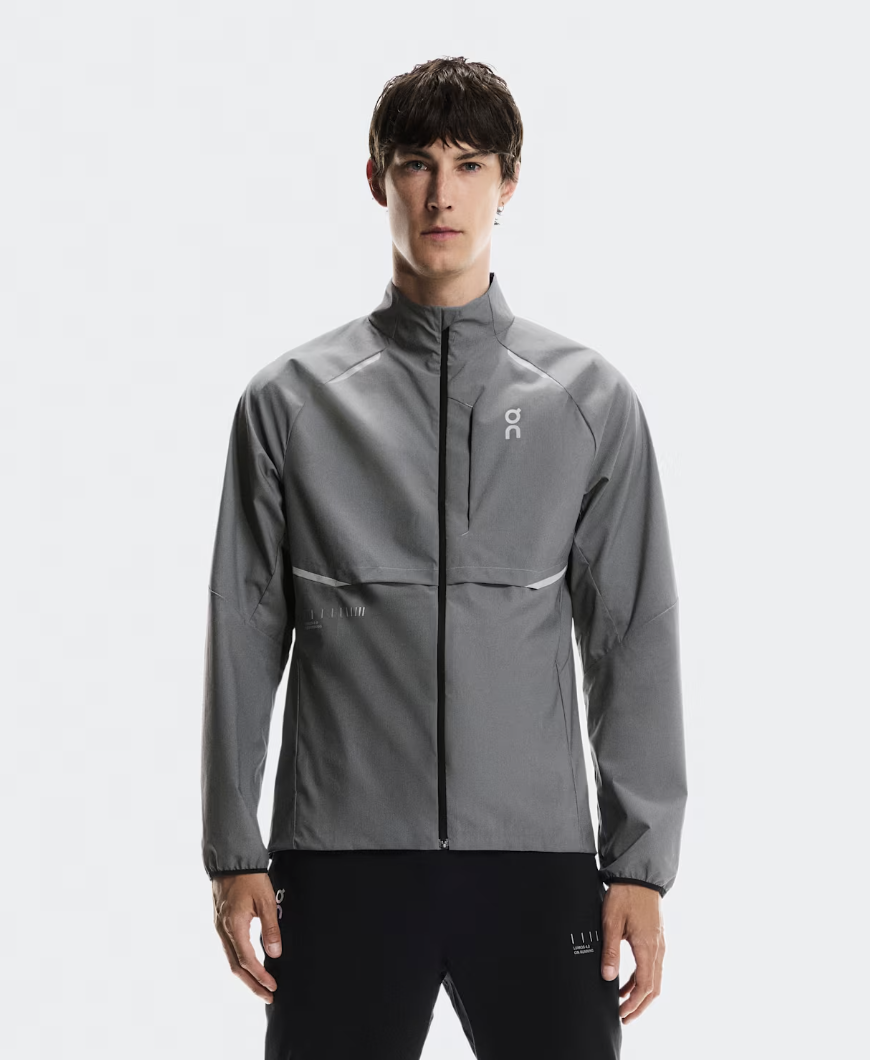
Runner Up Pick #4: On Zero ($160)
A sleek, lightweight shell built for movement.
The On Zero is designed for runners who want a barely-there layer that’s built for movement. Its water-repellent shell and high breathability make it useful for runs and walks when wind or light rain calls for coverage, without the weight or stiffness of full weather protection.shell, making it a dependable option for mountain runs, hikes, and winter adventures that push beyond everyday conditions.
Key Details:
Breathability: Strong for a fleece, releases heat better than most wind shells.
Weather resistance: Offers light wind protection but isn’t built for rain or harsh conditions.
Essential features: Minimal design with just enough storage and an easy-to-layer fit.
Thermal regulation: Ideal for cool, dry runs, offering warmth without frequent overheating.
Pros and Cons
Large Color Selection
Full Zip and Quarter Zip Options
High Price Point
Only 2 Pockets
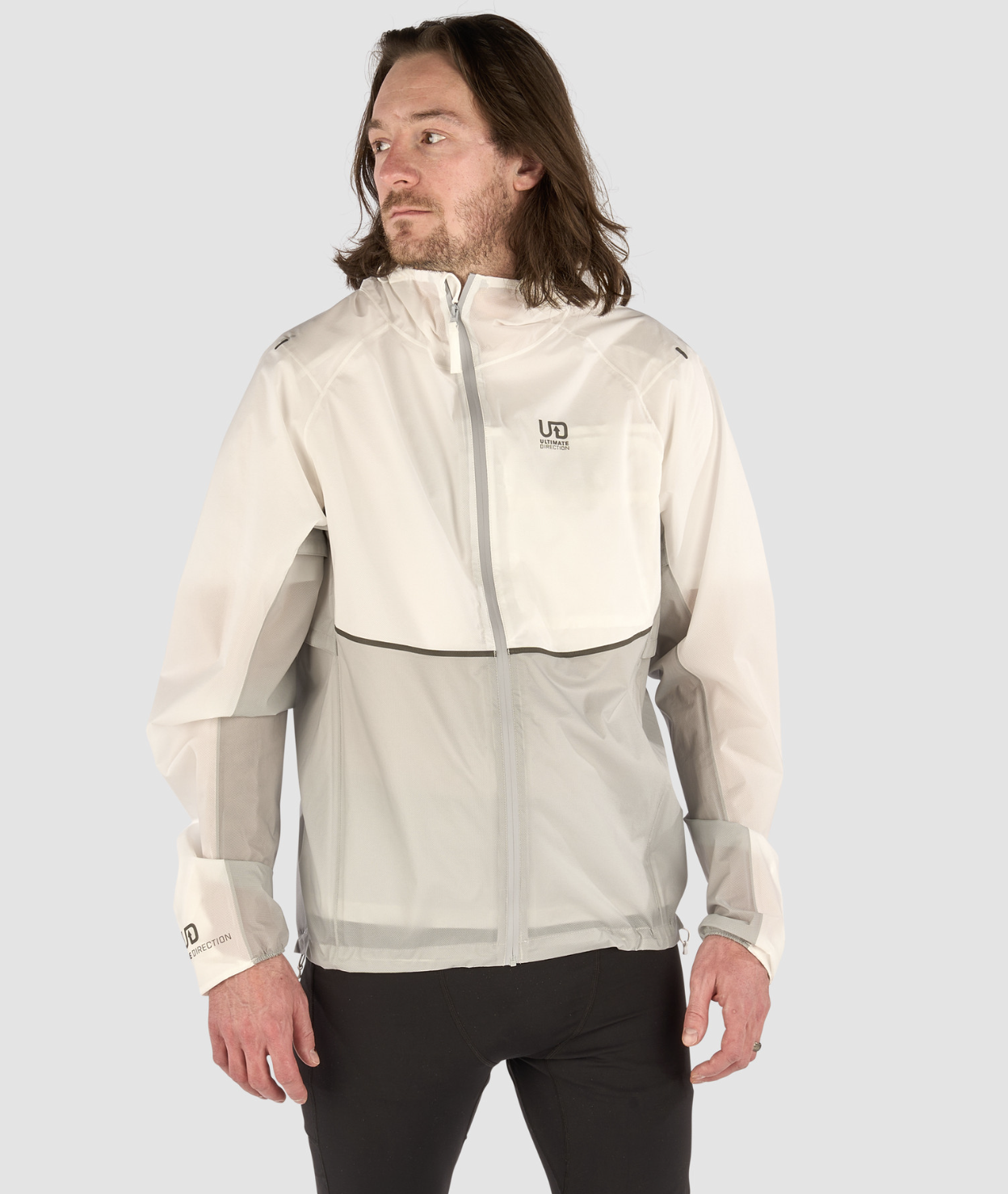
Runner Up Pick #5: Ultimate Direction Ultra ($219)
Waterproof protection for long, demanding efforts.
The Ultimate Direction Ultra is built with long outings in mind, pairing a fully waterproof shell with a cut and feature set designed to work while moving. Its streamlined fit reduces excess fabric, the hood stays secure in wind, and the design layers easily over running gear, making it a dependable option for extended runs or walks in persistently wet conditions.
Pros and Cons
Large Color Selection
Full Zip and Quarter Zip Options
High Price Point
Only 2 Pockets
Key Details:
Breathability: Good for a waterproof shell, but heat can build during harder efforts.
Weather resistance: Fully waterproof and windproof for sustained wet conditions.
Essential features: Runner-focused fit with practical storage and adjustable hood.
Thermal regulation: No insulation, best paired with layers in cold weather.
PICK #2: Nike Stride Repel UV
A lightweight, packable jacket with a more polished look:
PICK #3: Baleaf Waterproof
A solid waterproof jacket that's easier on the wallet.
PICK #4: Path Projects Graves PX
Highly functional, this jacket is suited to transitional weather
PICK #5: Patagonia Storm Racer
A fully waterproof jacket built for wet, winter conditions.
Why Trust Us?
Lead reviewer and multi-marathoner Nathan Gardiner assembled a test crew of outdoor regulars, including several weekend-warrior editors. The group included trail runners, urban pavement runners, and fitness-focused walkers, all of whom put the jackets to use during regular runs and walks over several weeks in real weather.
Each reviewer wore multiple jackets repeatedly rather than forming impressions after a single outing. This allowed us to compare comfort, breathability, weather protection, and ease of use as conditions changed, and to note which jackets our testers consistently reached for — or avoided — over time.
We focused our evaluations on real-world performance rather than lab ratings or brand claims, paying close attention to how the jackets handled sweat, wind, rain, and shifting temperatures across different effort levels. Our aim was to identify jackets that perform well during everyday training and light fitness use, not just those that look good on paper.
More About Our Methodology
Our team of reviewers headed out in a wide range of conditions, from cool and windy mornings to damp, variable weather, during runs of varying intensities as well as fitness walks. Jackets were tested on roads, trails, and city streets, and each product was evaluated across multiple outings to allow for comparison over time rather than relying on single-day impressions.
Each jacket was worn repeatedly over several weeks, often on familiar routes. This helped us track performance patterns that only become apparent with continued use, such as whether a jacket felt clammy during longer efforts, how it handled shifting weather mid-run, or whether certain features became more or less useful over time.
Breathability was evaluated by paying close attention to how quickly heat and moisture built up during moderate and hard efforts, especially on climbs or during sustained pacing. We noted the effectiveness of vents or air-permeable panels, as well as how quickly jackets dried once the pace slowed or conditions improved.
For weather resistance, we tested how well each jacket protected against wind, rain, and cold in both sustained exposure and changing conditions. This included assessing wind blocking, water resistance or waterproofing, seam construction, and whether moisture or drafts crept in over time.
We also examined essential features that affect usability while running. Pocket placement and bounce were tested while carrying small items such as keys or phones. Zippers were evaluated for ease of use on the move, and hoods were assessed for fit and stability in wind and rain. Adjustability at the cuffs and hem, in addition to reflective elements for low-light visibility, were also considered.
Finally, thermal regulation was assessed across a range of temperatures and effort levels. We paid particular attention to transitions — such as climbs, descents, and stop-and-go running — to see whether jackets maintained comfort without frequent adjustment. Because no jacket excels in every condition, we weighed trade-offs between breathability, warmth, and weather protection when identifying our top picks and runners-up.
Meet the Editor
Nathan Gardiner is a supervising editor who covers outdoor athletic accessories, fitness apparel, and running shoes. A native of Flagstaff, Arizona, he caught the running bug as a teenager and has since completed numerous marathons, including the Boston Marathon, and regularly tests gear across a wide range of conditions.